
Addressing Skin Laxity: A Guide to Non-Surgical Skin Tightening
- Jan 19, 2026
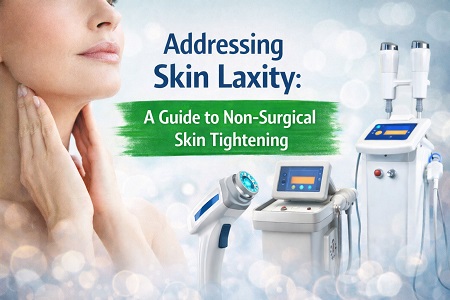
Skin laxity, or sagging, is one of the most visible signs of aging. Aesthetic medicine now offers a range of non-surgical skin tightening treatments that restore firmness by stimulating the skin’s natural regenerative processes.
What Causes Skin Laxity?
Skin laxity results from structural and biological changes within the skin and underlying tissues. The most significant factors include:
- Collagen and Elastin Loss: Collagen provides strength, while elastin allows skin to stretch and recoil. With age, production of both proteins declines, and existing fibres weaken.
- Ageing: From the mid-20s onward, skin renewal slows, leading to thinning dermal layers and reduced firmness.
- Sun Damage: Chronic UV exposure accelerates collagen breakdown and disrupts elastin fibres, a process known as photo ageing.
- Hormonal Changes: Reduced oestrogen levels, particularly during menopause, directly affect skin thickness, hydration, and elasticity.
- Weight Fluctuations: Rapid weight loss can overstretch the skin, leaving it unable to fully contract.
- Lifestyle Factors: Smoking, stress, inadequate sleep, poor nutrition, and dehydration further compromise skin integrity.
Over time, these factors lead to sagging in areas such as the face, neck, jawline, arms, abdomen, and thighs.
How Can Skin Be Tightened Without Surgery?
Non-surgical skin tightening works by stimulating the body’s natural mechanisms rather than by physically removing excess skin.
This controlled stimulation:
- Activates fibroblasts
- Promotes new collagen and elastin synthesis
- Improves skin density and elasticity
- Leads to gradual lifting and tightening over time.
Also Read: 5 Treatments to Get Rid of Sagging Skin and Get Tightened Youthful Skin Instead
Types of Aesthetic Skin Tightening Treatments
Modern aesthetic medicine offers a range of non-surgical skin tightening options, tailored to different skin types, concerns, and anatomical areas.
- Radiofrequency (RF) Treatments – Radiofrequency (RF) treatments use heat energy to penetrate the dermis, stimulating collagen contraction and new collagen formation.
- Ultrasound-Based Treatments - Focused ultrasound targets deeper tissue layers.
- Microneedling with Energy or PRP - Microneedling creates controlled micro-injuries that stimulate tissues.
- Laser Skin Tightening - Lasers deliver heat into the skin to promote remodelling.
- Injectable Biostimulators - Certain injectables work by stimulating collagen synthesis rather than by adding volume.
A personalised assessment is essential to determine the most appropriate modality or combination approach.
A Rejuvenated Appearance
Non-surgical skin tightening represents a powerful shift toward regenerative, science-based aesthetic care. When combined with expert assessment, appropriate technology, and consistent skincare, the results can be truly remarkable: smoother skin, improved lift, and a more youthful appearance.
Frequently Asked Questions
1. What is skin laxity?
Skin laxity refers to sagging or loose skin caused by reduced collagen and elastin, ageing, sun damage, hormonal changes, and lifestyle factors.
2. Can skin laxity be treated without surgery?
Yes. Non-surgical skin tightening treatments stimulate collagen and elastin production to improve firmness, lift, and skin elasticity without incisions or downtime.
3. How do non-surgical skin tightening treatments work?
These treatments use energy-based technologies or bio stimulation to activate fibroblasts, encourage new collagen formation, and gradually tighten the skin over time.
4. Which non-surgical skin tightening treatment is best?
The best treatment depends on skin type, degree of laxity, treatment area, and individual goals. A personalized aesthetic assessment is essential for optimal results.
5. How long do results from non-surgical skin tightening last?
Results typically develop gradually over weeks to months and can last several months to over a year, depending on the treatment type and ongoing skincare.
6. Is non-surgical skin tightening safe?
When performed by trained professionals, non-surgical skin tightening is safe, well-tolerated, and suitable for many skin types with minimal recovery time.