
The Role of Skincare in Melasma Management
- Jul 23, 2026
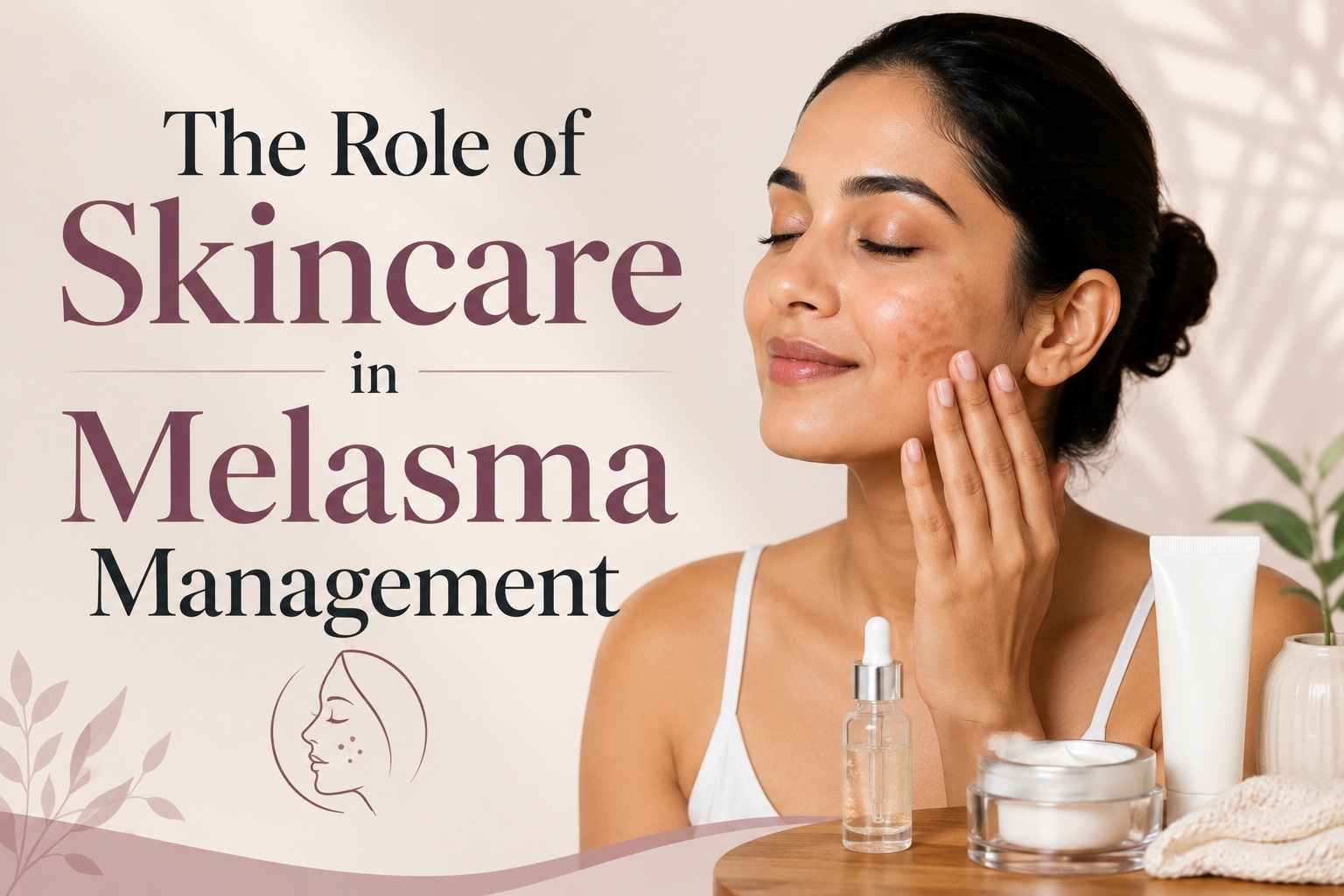 Laser and light-based treatments can dramatically fade melasma, but what happens between sessions and long after treatment ends matters just as much. Melasma is stubborn by nature, and without the right skincare routine, even the best professional results can fade.
The good news is that a consistent, well-chosen skincare regimen can extend results, reduce flare-ups, and help keep pigment from returning.
Because melasma is driven by a combination of sun exposure, hormones, and genetics, no single product can fully control it on its own. Understanding how each piece fits together can make it much easier to build a routine that actually works.
Why Sun Protection Comes First
Sun exposure is the single biggest trigger for melasma. Ultraviolet light stimulates the pigment-producing cells in the skin, undoing treatment progress and encouraging new dark patches to form. This makes daily sun protection the foundation of any melasma routine, not an afterthought.
- Use a broad-spectrum sunscreen of at least SPF 30 every single day, including on cloudy days, and indoors near windows.
- Mineral sunscreens containing zinc oxide or titanium dioxide offer strong, gentle protection.
- Tinted sunscreens with iron oxide add a layer of defense against visible light, which can also worsen melasma.
- Reapply every two hours when outdoors and pair sunscreen with a wide-brimmed hat for extra coverage.
Also Read: Understanding Melasma: Causes, Triggers, and Evidence-Based Treatment Approaches
Active Ingredients That Help
Alongside sun protection, certain topical ingredients are widely used to fade existing pigment and prevent new discoloration.
Ingredient | How It Works | Best Suited For |
Hydroquinone | Slows melanin production at the cellular level | Short-term, physician-supervised use |
Tranexamic Acid | Reduces the signals that trigger excess pigment | Recurrent or hormone-related melasma |
Azelaic Acid | Calms pigment-producing cells with fewer side effects | Sensitive or reactive skin |
Vitamin C | Brightens tone and limits new pigment formation | Daily maintenance and prevention |
Niacinamide | Strengthens the skin barrier and reduces blotchiness | Long-term routine support |
Building a Sustainable Routine
Melasma responds best to patience and consistency rather than aggressive, all-at-once treatment.
Here are a few tips to help with a melasma prevention skin routine:
- Layer products from lightest to heaviest
- Start with a gentle cleanser
- Apply targeted serums
- Dab on moisturizer
- Finish with sunscreen
- Do this each morning
A Team Effort
Skincare and professional treatment work best together. While in-office procedures target existing pigment more intensively, a thoughtful daily routine protects those results and helps prevent melasma from resurfacing. Together, they offer the most realistic path to clearer, more even-toned skin over time.
Frequently Asked Questions
What is the best skincare routine for melasma?
A melasma routine should begin with a gentle cleanser, followed by targeted serums, moisturizer, and daily sunscreen. Consistency is important because melasma can recur even after professional treatment.
Why is sunscreen so important for melasma?
Sun exposure is a major trigger because ultraviolet light stimulates pigment-producing cells. Using broad-spectrum SPF 30 or higher every day and reapplying when outdoors can help protect treatment results and reduce flare-ups.
Is tinted sunscreen better for melasma?
Tinted sunscreen containing iron oxide can provide additional protection against visible light, which may worsen melasma. Mineral ingredients such as zinc oxide and titanium dioxide also provide strong sun protection.
Which skincare ingredients can help with melasma?
Hydroquinone, tranexamic acid, azelaic acid, vitamin C, and niacinamide are commonly used for different aspects of melasma management. The most appropriate ingredients depend on your skin sensitivity and pigmentation concerns.
Can skincare prevent melasma from returning after laser treatment?
Skincare can help reduce the risk of melasma returning by protecting the skin from triggers and controlling pigment formation. Daily sunscreen and a consistent maintenance routine are especially important between and after professional treatments.
Where can I get melasma treatment in San Jose?
If you are looking for melasma treatment in San Jose, choose an aesthetic clinic that provides a personalised assessment based on your skin type, pigmentation depth, and triggers. A qualified provider can recommend an appropriate combination of professional treatments, daily skincare, and sun protection for long-term melasma management.